TSB and MIF Explore Partnership to Empower Women Through Sisal-Based Product Manufacturing
The Tanzania Sisal Board (TSB) and Mwanamke Initiatives Foundation (MIF) are exploring opportunities for collaboration to empower women economically through skills development and the production of sisal-based products.
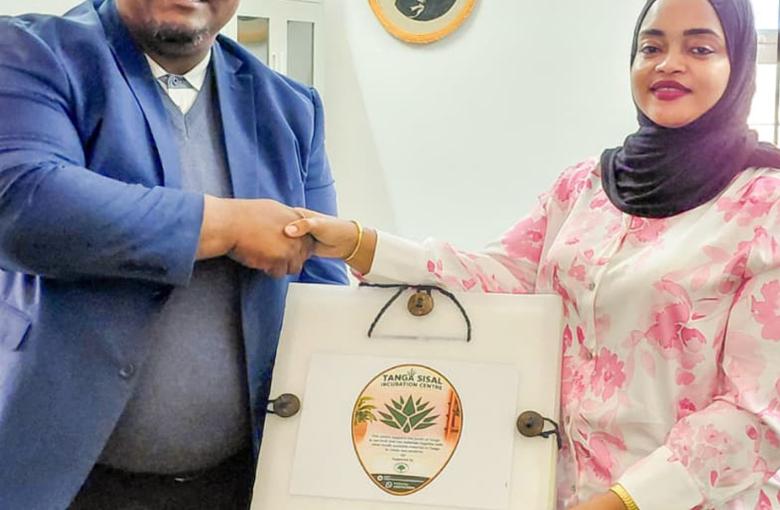
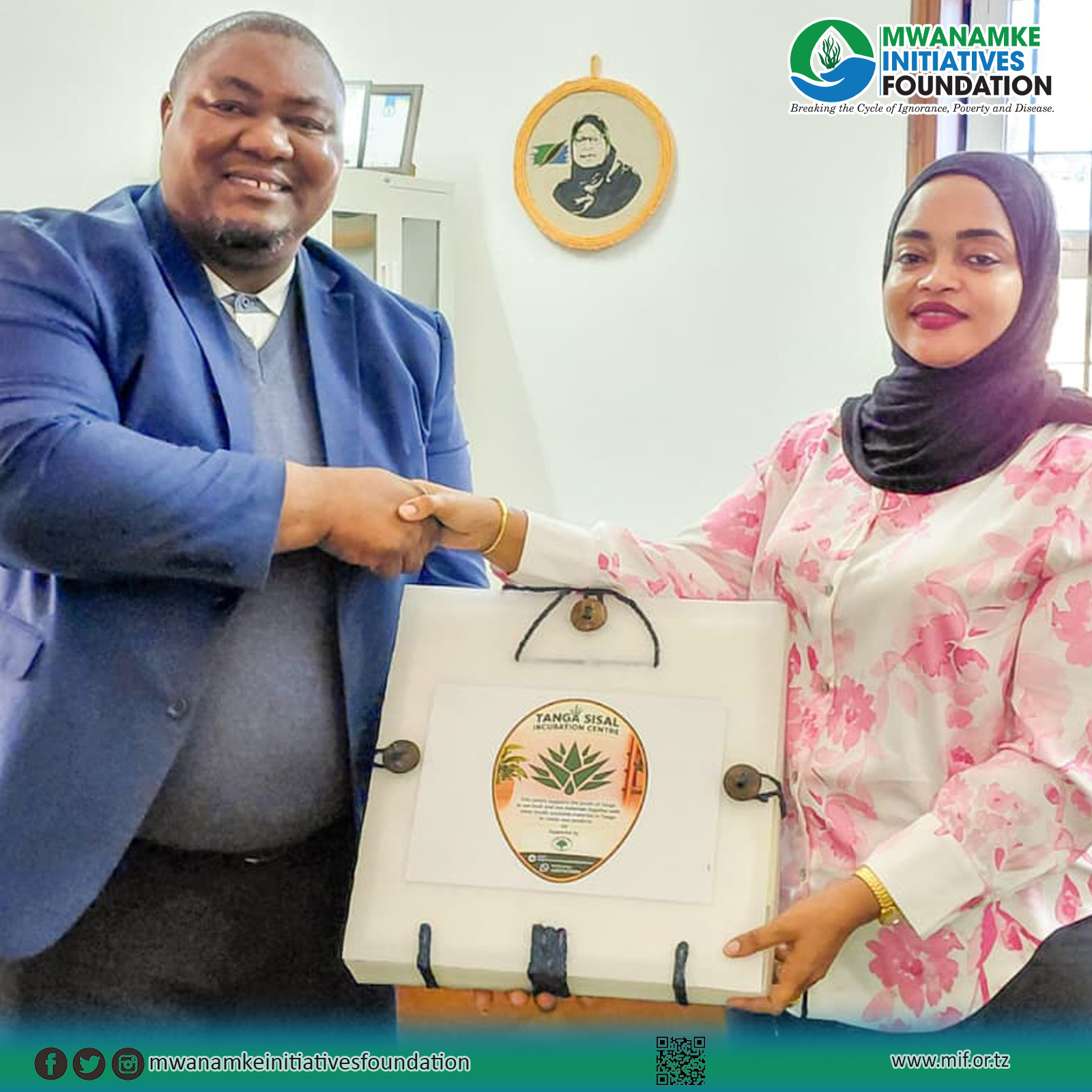
The discussions took place at Mkonge House in Tanga between TSB Director Saddy Kambona and MIF Executive Director Sabra Mohamed, who visited TSB alongside her delegation to learn about the various opportunities within the sisal industry.
During the visit, the MIF delegation toured the Sisal Business and Training Centre (Mkonge BBT), which is managed by TSB and provides hands-on training in sisal product manufacturing to women, young people, and persons with disabilities. The delegation also visited a sisal plantation in Hale to observe the sisal processing stages and gain a deeper understanding of the industry's value chain.
Speaking during the visit, TSB Director Saddy Kambona highlighted the potential of sisal-based production to create employment opportunities and strengthen women's economic empowerment.
He explained that TSB plans to supply sisal fibres to Zanzibar and other locations through institutions and training centres, enabling more women to acquire practical skills in producing sisal-based products. These products could access various markets, including the tourism sector, creating opportunities for income generation and entrepreneurship.
The initiative also presents opportunities to support the Blue Economy by promoting sustainable livelihoods, particularly for young people, women, and persons with disabilities, while addressing unemployment through skills development and enterprise creation.
MIF Executive Director Sabra Mohamed explained that the visit aimed to identify areas of collaboration, particularly in accessing technical expertise and trainers to support sisal product manufacturing at MIF's Bungi Centre in Zanzibar.
MIF plans to use the Bungi Centre as a platform for equipping women and young people with practical and entrepreneurial skills, including handicraft production using locally available materials such as sisal.
During the visit, Sabra noted that she had gained valuable insights into the diverse applications of sisal beyond traditional rope-making. These include handcrafted products and potential opportunities to utilise sisal waste in producing biogas and charcoal alternatives, contributing to the promotion of clean cooking energy.
The Centre's Supervisor, Abdulatif Famau, emphasised that the proposed collaboration could facilitate knowledge and skills exchange between Zanzibar and mainland Tanzania, helping improve the quality, creativity, and market reach of sisal-based products.
He added that the centre promotes inclusive skills development by training women, young people, and persons with disabilities in producing sisal-based products, while incorporating other materials to enhance product design and creativity.
Through this potential partnership, MIF and TSB aim to explore practical ways of expanding skills development, promoting entrepreneurship, and creating sustainable income-generating opportunities for women and young people in Zanzibar.
The initiative reflects MIF's commitment to empowering communities through sustainable socio-economic development, inclusive opportunities, and partnerships that support women and youth to build better livelihoods.